Interior drainage systems
A channel along the inside footing that collects water at the floor-wall joint and routes it to a sump — the most common fix for water coming in at the seam.

Basement Waterproofing • South Shore, MA
South Shore basements take coastal rain, spring melt, and a water table that does not stay put. The fix depends on where the water comes from.
Call (857) 358-0305 Request a quoteSouth Shore basements see it all: nor'easters, spring melt, and a water table that does not stay put. The right fix depends on where the water is coming from — over the footing, through a wall crack, or up through the floor — and we walk you through that before any work starts.
If any of that sounds familiar, a call or a form message is the right next step — tell us what you are seeing and we will talk through what to check first.
Call (857) 358-0305A quick call is the fastest way to sort it — tell us what you are seeing and where, and we will talk through what to check first.
Call (857) 358-0305Request a quoteA channel along the inside footing that collects water at the floor-wall joint and routes it to a sump — the most common fix for water coming in at the seam.
Sump installation, replacement, and battery backup so the system keeps working through a power outage, which is exactly when you need it.
Excavation and membrane work on the outside of the foundation when the problem is best solved from the water side.
Sealing and stabilizing cracks in poured concrete or block walls, and telling you honestly when a crack is cosmetic and when it needs watching.
Coatings and sealers for damp walls and floors — useful for dampness, not a substitute for drainage when water is actively coming in.
Sorting the water that reaches the foundation in the first place: downspouts, grading, and surface drainage that push water away from the house.
Photos showing the kinds of places and details involved — not a single job, just what to look for around the house.

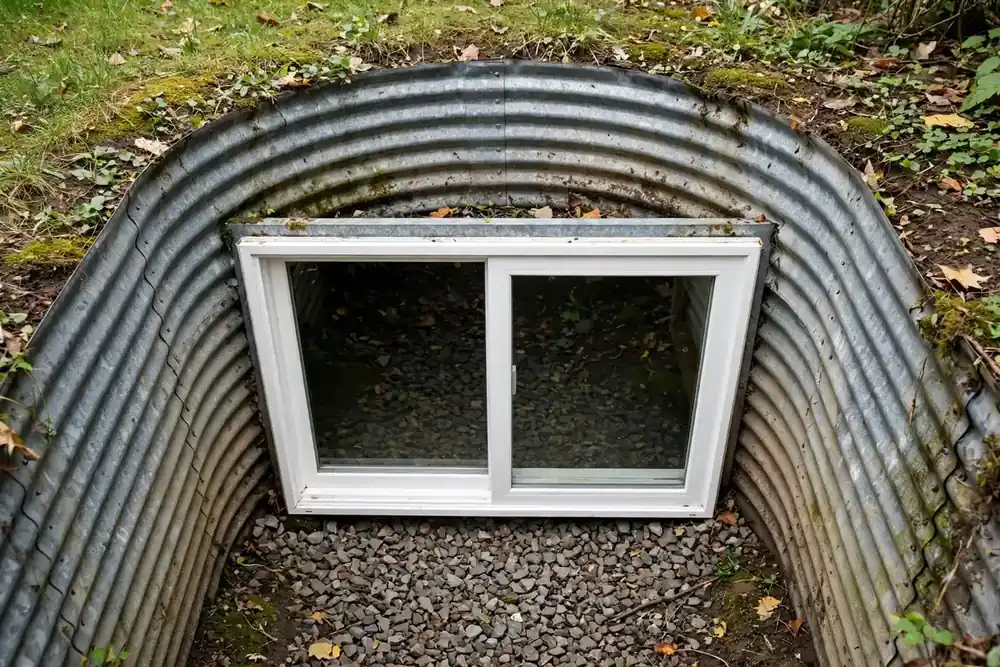
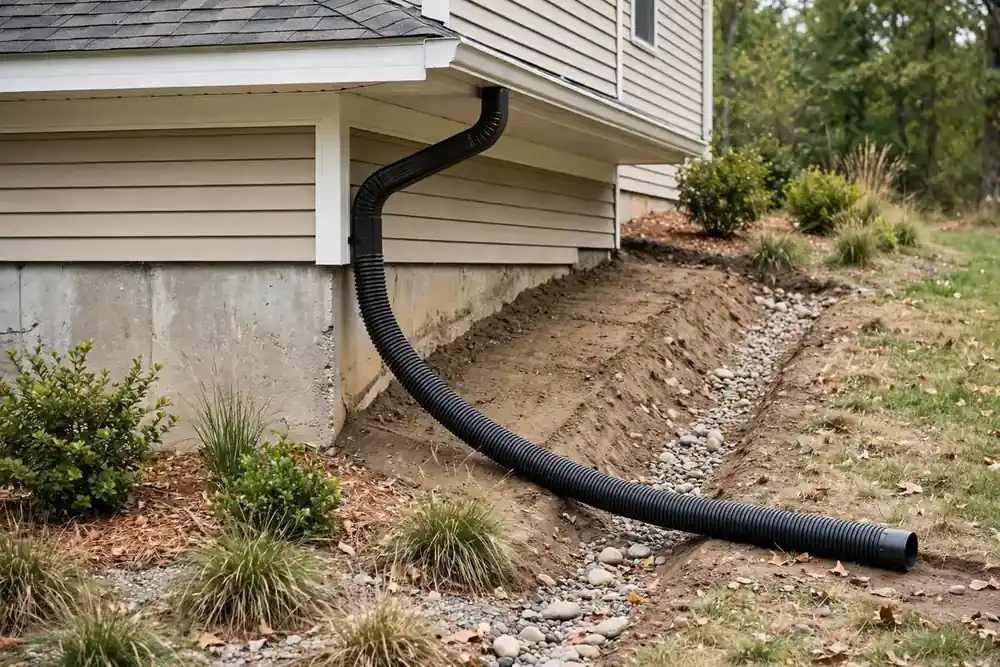
Stuff worth knowing whether you hire us or not — the kind of things that save homeowners money and headaches when they are caught early.
Before any interior system, check the easy stuff: gutters full of leaves, downspouts dumping right at the foundation, and ground that slopes toward the house. Fixing those can cut the water load a lot.
That white crust is mineral left behind when water moves through concrete or block and evaporates. Scrubbing it off helps it look better, but the water path is still there.
Pour a bucket of water into the pit and make sure the pump kicks on, pumps out, and shuts off. Do it in spring and again before storm season. A pump that has not run in a year may not run when it counts.
Power outages and heavy rain arrive together. A battery backup, or a water-powered backup where the plumbing allows, keeps a working sump working when the lights go out.
Drywall, carpet, and framing over a damp wall hide the water and grow mold behind the finish. Get the water handled first, then finish the space.
That seam where the floor meets the wall is the most common entry point, because it is a natural gap in the concrete. Water there usually means hydrostatic pressure underneath, not a wall leak.
Even a well-drained basement can get a little water in an extreme storm. Plastic bins on shelving, not cardboard on concrete, save a lot of heartache.
It depends on the source. Interior drainage handles water that is already getting in, usually at the floor-wall joint, without digging up the yard. Exterior work stops water at the wall itself, but it means excavation. A good plan starts with where your water is actually coming from.
A sump is part of a system, not the whole system. It needs a drainage channel or tile feeding it, a discharge line that moves water well away from the house, and a backup for outages. Any one piece missing weakens the rest.
Yes, but the design has to account for it — the system has to move water continuously, not just in storms, and the discharge has to go somewhere that does not drain straight back to the foundation.
Hairline cracks in poured concrete are common and often just need sealing and watching. Cracks that are widening, stair-stepping through block, letting in water, or paired with bowing walls deserve a closer look sooner.
Often, yes — because the smell usually comes from dampness feeding mold or mildew. But if the smell is from something else, like a sewer or drain issue, waterproofing alone will not fix it. Say where the smell is strongest and we will check that first.
We serve South Shore communities, from Quincy and Plymouth south along the coast. If you are just outside that area, call anyway and ask — we will tell you straight whether we cover your town.
Call before you fill in the form and we will take the details directly.
Call (857) 358-0305Call (857) 358-0305, or use the form and we will call you back. Tell us as much as you can about the job — location in the house, what you are seeing, and anything you have already tried.